
The Fed Blinked: Rates Are Down, But Don't Pop the Champagne Yet!

Well, folks, it finally happened. Yesterday, the US Federal Reserve—the people who control the money taps—delivered the gift everyone wanted for Christmas: they cut the benchmark interest rate.
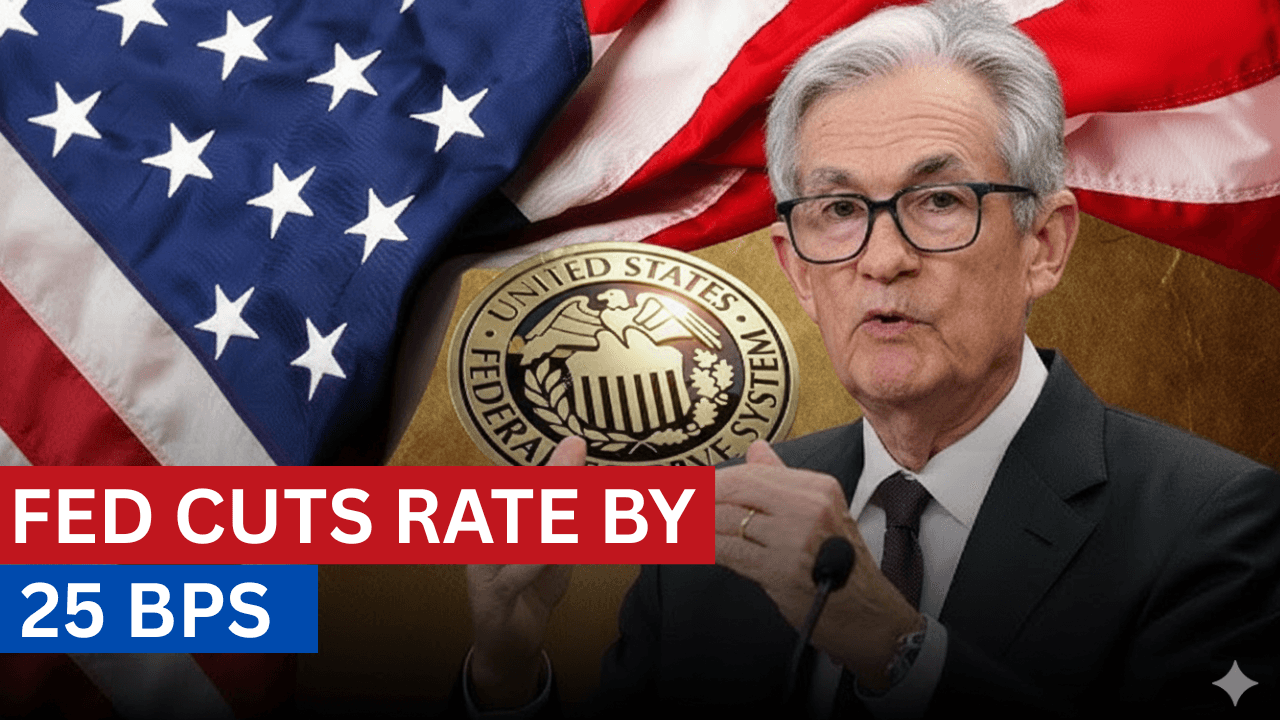
The cut of 25 basis points (bps) was baked into the cake, dropping the main rate to the 3.50% - 3.75% range. But if you were hoping for a smooth ride into 2026, Chairman Jerome Powell’s press conference served up a big scoop of reality.
Here's the real story behind the headlines, and why this "rate cut" still feels surprisingly tight.
1. The Good News: They Admitted the Risk
The Fed's formal announcement basically said, "Okay, we’ve done enough to fight inflation, and now we’re worried about breaking the economy."
- Why the Cut? They specifically called out a "shift in the balance of risks." That’s central bank speak for "The job market looks wobbly, and we don't want to be the ones who cause a recession by keeping the brakes on too hard."
- The Big Signal: This tells us the Fed is officially moving into "risk management" mode. They’re no longer just chasing inflation; they’re trying to land this economic plane safely.
2. The Bad News: This Is a Divided House
The most telling piece of news wasn’t the rate cut itself—it was the voting. The decision was 9-3, which is borderline chaotic for the FOMC.
- The Rebels: We had members who wanted to keep rates exactly where they were, convinced that inflation is lurking around the corner like a bad flu bug. And we had one brave soul who wanted an even bigger cut.
- What This Means for 2026: If the policy setters can’t agree now, imagine the fireworks at the next few meetings! This means every future rate cut will be a dogfight, hinging on one or two pieces of data. Don't expect a smooth, predictable path of easing.
3. Powell’s Big Warning: The "Dot Plot" Disappointment
Forget the cut that just happened. If you’re a serious investor, you should be looking at the "Dot Plot." This is the chart where Fed members anonymously signal where they think rates should be in the future.
- The Market’s Wish: Traders had aggressively priced in three or four rate cuts for 2026.
- The Fed’s Reality: The new median "Dot Plot" only suggested one more cut in 2026 and one in 2027.
The Takeaway: The market is drinking a lot more "dovish" (easy money) Kool-Aid than the Fed is pouring. This gap—between what the market expects and what the Fed is actually planning—is what causes volatility. If the data stays tough, the Fed has given itself full permission to stand pat.
4. Where Does India Go From Here?
For us in India, the US rate cut is generally good news, but with a major catch.
- The Good: Lower US rates reduce the lure of parking cash in safe US bonds. This pushes Foreign Institutional Investors (FIIs) to look for better returns in emerging markets like ours. We should see capital inflows supporting the Nifty and Sensex.
- The Rupee’s Relief: A cut keeps the US Dollar (USD) from surging too much. That’s a gentle tailwind for the Indian Rupee (INR), easing pressure on imports and inflation.
- The Catch: The fact that the Fed signaled such a slow easing path (only one cut next year!) means the floodgates of global cash won't open wide anytime soon. We can’t rely on a global liquidity boost to power our markets.