

Your Brain Is Begging for Help — And People Are Fixing It Without Pills

Across the world, people feel mentally drained—anxious, foggy, and unfocused. But instead of reaching for prescriptions, a massive shift is happening. A new wave of natural "mind-reset" techniques is exploding in popularity, and the results are so surprising that everyone wants to know the secret.
It isn’t magic; it’s biology. We are living in an era of dopamine overload and chronic cortisol spikes. The good news? You can hack your own biology to reverse it.
Here are the top 5 science-backed protocols people are using to reset their brains naturally.
1. The Instant Calm Button
If your brain feels like a browser with 100 tabs open, your sympathetic nervous system (fight-or-flight) is stuck in the "On" position. The trend taking over the wellness world right now is manually triggering the Vagus Nerve—the highway connecting your brain to your body.
Why it works: Stimulating this nerve activates the parasympathetic system (rest-and-digest), instantly lowering heart rate and anxiety.
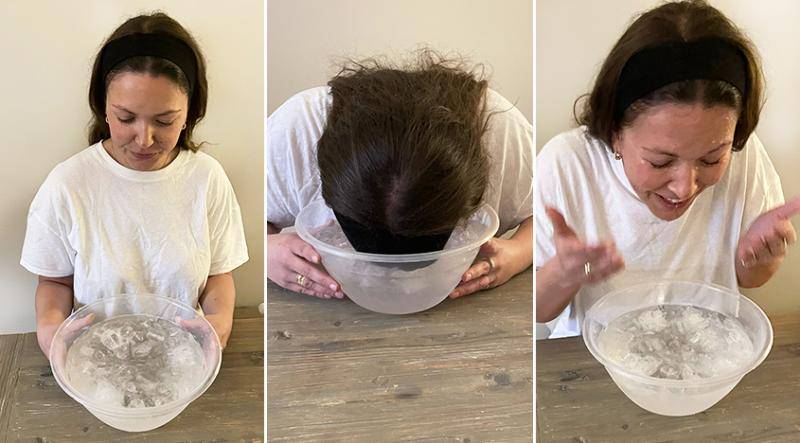
How to do it (The "Ice Dive"):
- The Technique: Fill a bowl with ice water. Hold your breath and submerge your face for 15–30 seconds.
- The Science: This triggers the "Mammalian Dive Reflex," which physically forces your body to slow down and conserve energy, snapping you out of a panic loop immediately.
2. NSDR (Non-Sleep Deep Rest)
Popularized by neuroscientists like Dr. Andrew Huberman, NSDR (also known as Yoga Nidra) is becoming the go-to tool for high performers who can’t shut their brains off.
Why it works: It mimics the brain waves of deep sleep while you are awake. Studies suggest that 20 minutes of NSDR can restore dopamine levels as effectively as 3–4 hours of napping.
How to do it:
- Search for a free "10-minute NSDR" or "Yoga Nidra" audio guide on YouTube/Spotify or You can see the Video by this video.
https://youtu.be/Gj-ZlTpLJYw?si=cgKE92HCRjnLSwEV
- Lie down, close your eyes, and follow the body-scan instructions. It creates a state of deep relaxation that clears "mental debris."

3. The "Morning Light" Protocol
Most brain fog isn't a lack of caffeine; it's a circadian rhythm disruption. If you look at your phone before you look at the sky, you are confusing your brain’s chemical clock.
Why it works: Viewing sunlight within 30-60 minutes of waking triggers a cortisol peak early in the day (which gives you focus) and sets a timer for melatonin release 12-14 hours later (for better sleep).
The Protocol:
- Get outside for 5–10 minutes immediately after waking up.
- Do not wear sunglasses.
- If it is cloudy, stay out for 15–20 minutes.
- Note: Looking through a window doesn’t work effectively due to UV filtering.
4. Optical Flow (The "De-Focus" Walk)
We spend our days with "focal vision"—staring intensely at screens. This intense focus correlates with higher stress levels in the brain.
Why it works: Lateral eye movement (scanning the horizon) suppresses the amygdala (the fear center). This is why you often feel better after a walk—not just because of the exercise, but because of the visual processing.
The Protocol:
- Take a walk where you do not look at your phone.
- Keep your head up and let your eyes scan the horizon or the environment from side to side. This "panoramic vision" signals safety to the brain.

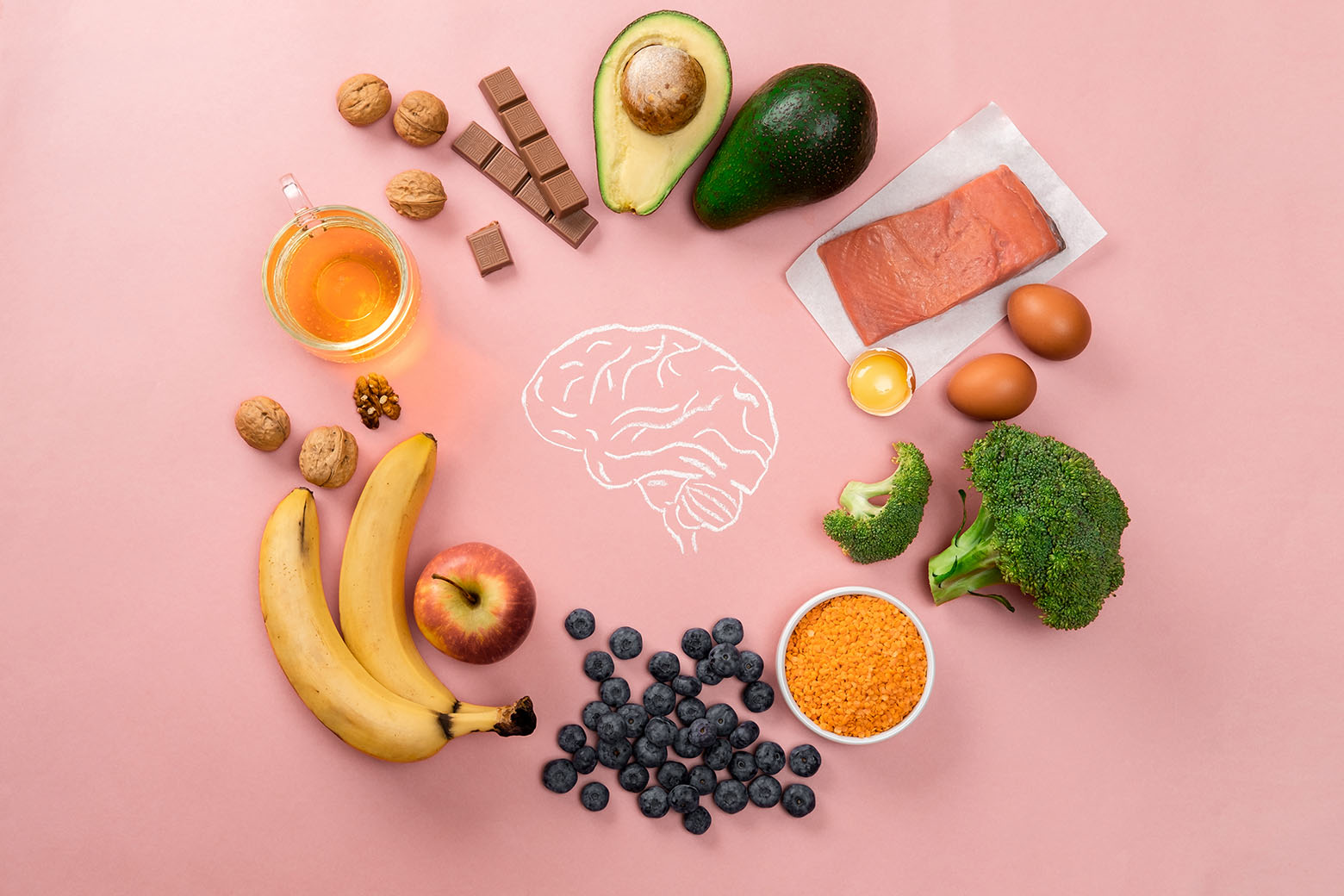
5. Fueling with "Nootropic" Whole Foods
The "Gut-Brain Axis" is one of the hottest topics in health. If your gut is inflamed, your brain is inflamed (neuroinflammation), leading to fog and slowness.
The Swap: instead of a second coffee, people are turning to:
- Lion’s Mane Mushroom: Studies suggest it may stimulate Nerve Growth Factor (NGF), helping neurons repair.
- Omega-3 Fatty Acids (EPA/DHA): Found in fatty fish or algae oil, these are the building blocks of brain cell membranes.
- Fermented Foods: Kimchi, sauerkraut, or kefir to support the gut microbiome, which produces 90% of your body's serotonin.
Is This The Future of Mental Health?
We aren't abandoning modern medicine, but we are learning that our daily habits act as powerful software updates for our brains. By using cold, light, rest, and nutrition, you aren't just surviving the day—you are rebuilding your mind's resilience.
⚠️ Medical Disclaimer
The content in this article is for informational purposes only and is not intended to be a substitute for professional medical advice, diagnosis, or treatment. Always seek the advice of your physician or other qualified health provider with any questions you may have regarding a medical condition.
#menatlHealth #brainFog #naturalThreapy #nature #morningWalk